
CLEANER MOUNTAINS

PLASTILAC
“PLASTILAC” is a research project aiming to quantify the presence of microplastics in high-altitude Alpine lakes. Led since 2019 by the association AQUALTI in France, it aims to determine the intensity of atmospheric transfer of plastic particles to remote ecosystems presumed to be little affected by human activity.
In Switzerland, the presence of microplastics in Alpine lakes is still very poorly documented. Yet these particles can have a major impact on aquatic ecosystems, which is why research projects are needed to quantify the extent of this atmospheric pollution in our mountains.
Since 2022, Summit Foundation has been working with the association AQUALTI to extend the scope of the research carried out under “PLASTILAC” to Switzerland, in collaboration with the Université Savoie Mont-Blanc. The project involves not only a scientific approach but also a major effort to raise awareness among the general public and in schools. In the long term, the scientific component will provide a better understanding of how plastic microparticles are transferred and accumulate in Alpine aquatic ecosystems.
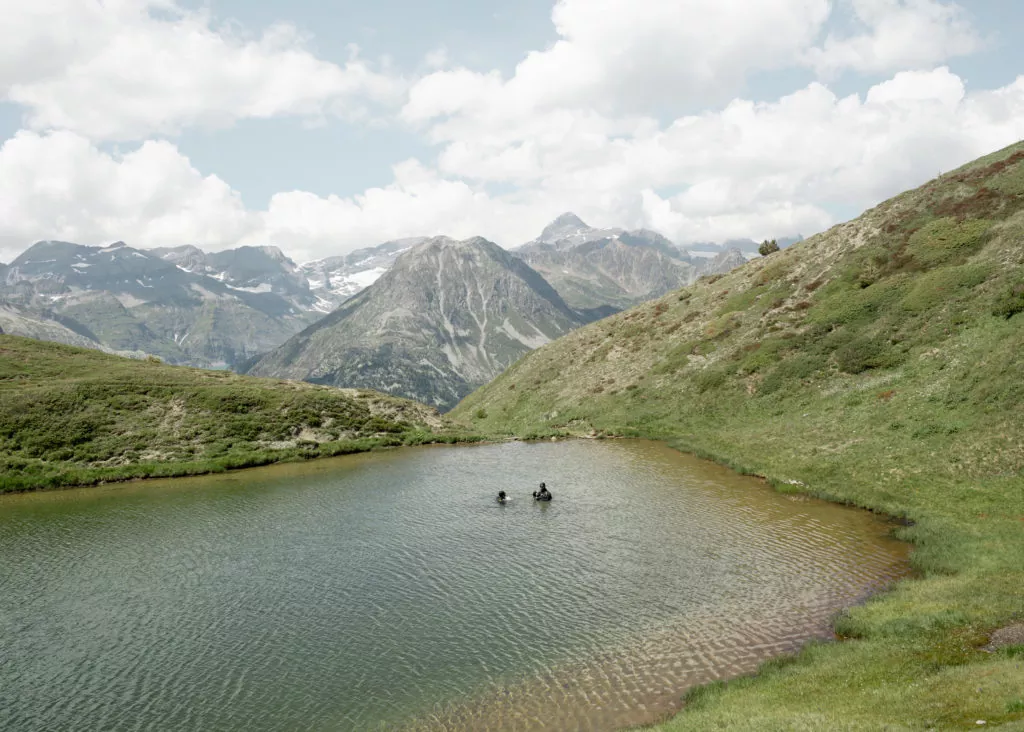
Following on from the major “Clean Mont-Blanc” project carried out in 2021, which detected traces of microplastics in the massif's glacial streams, it was decided to launch the first “PLASTILAC” research session in 2022 at Lac de Catogne, between Trient (VS) and Vallorcine (F). This first expedition was followed by further sampling in July 2023 at Bachalpsee, above Grindelwald (BE).
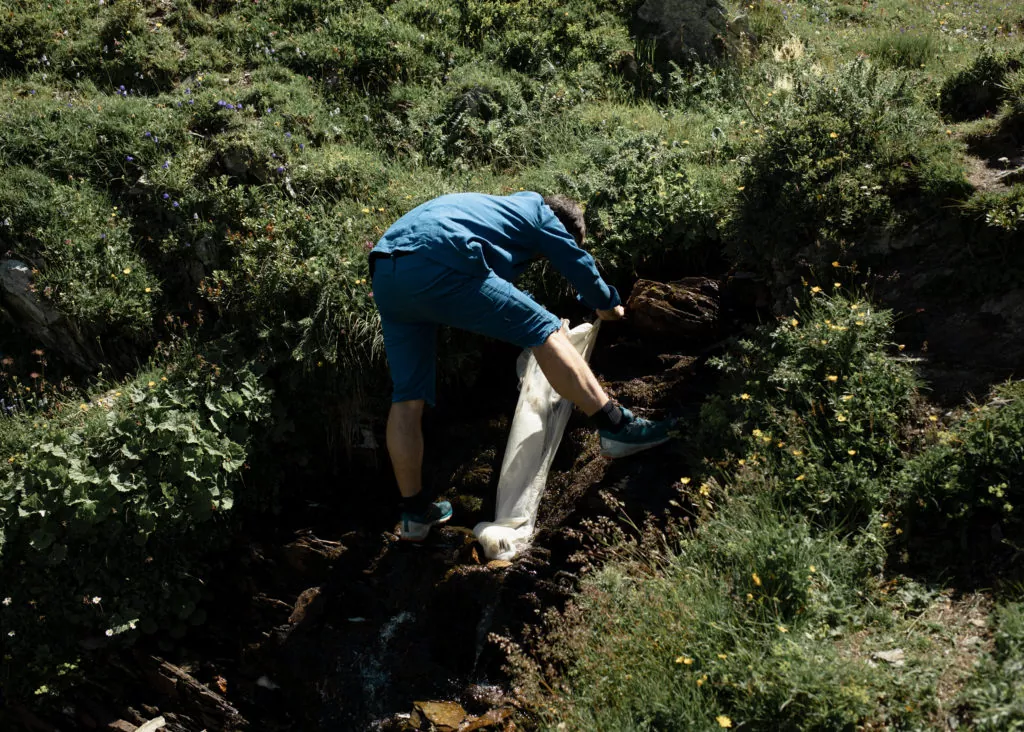
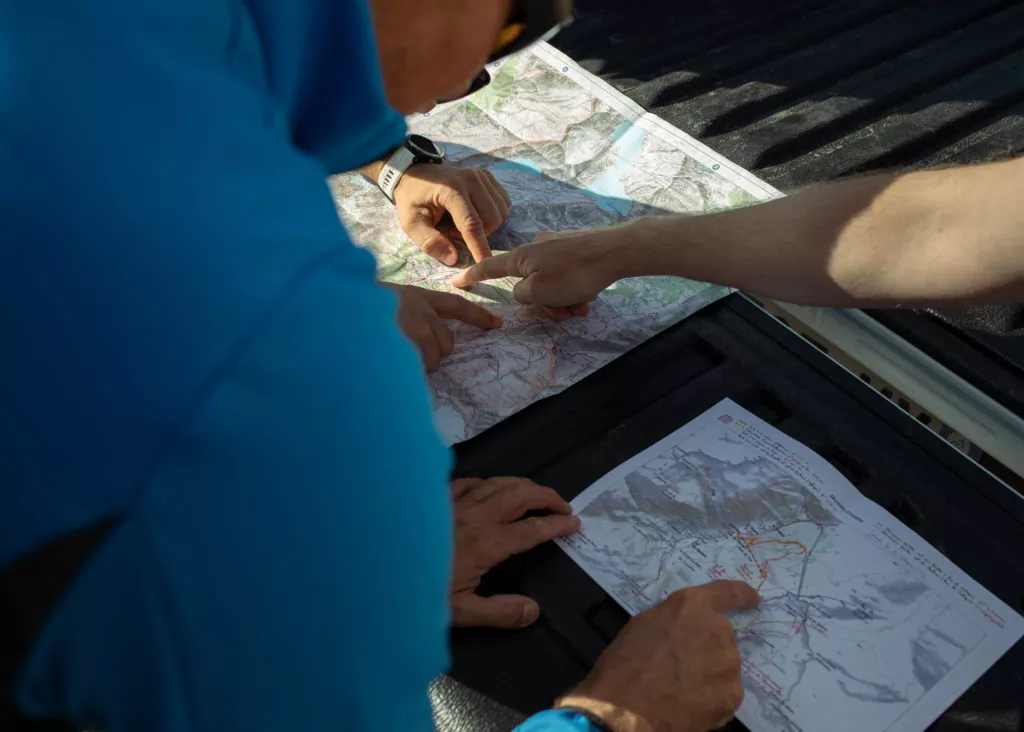
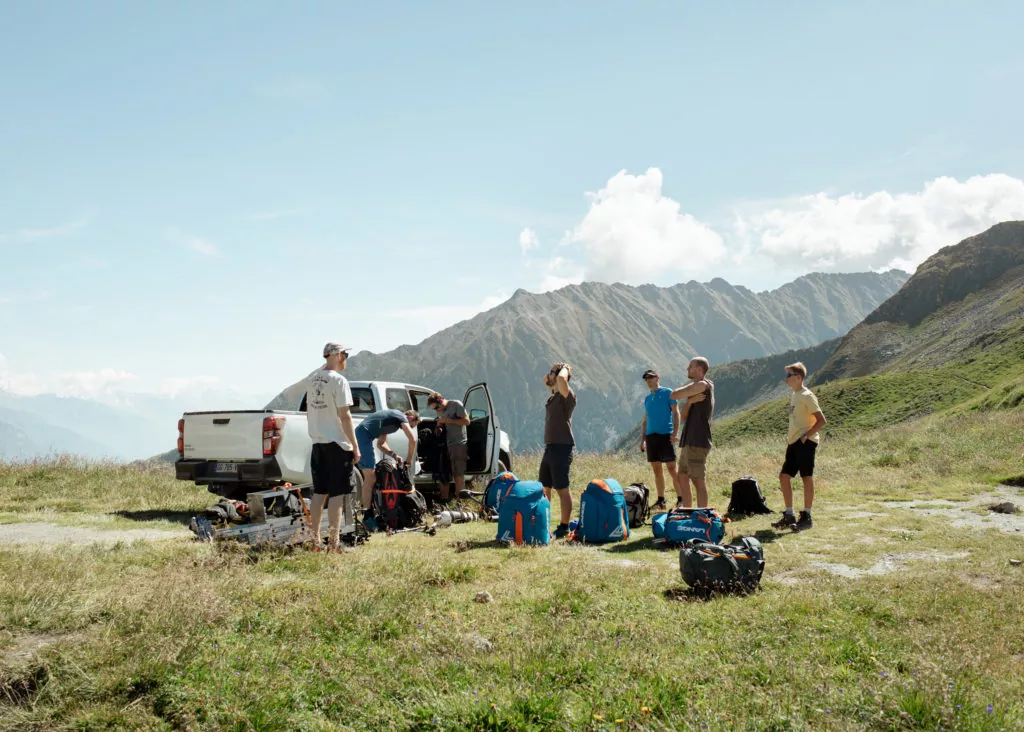
During these expeditions, a multidisciplinary team (researchers, engineers, divers, communicators, photographers) travels to a mountain lake to analyse its microplastic content. Some of the samples are taken by the researchers from the surface water, while others are collected by professional divers from the lake bed, where sediments are gathered.
Alongside these sampling campaigns, AQUALTI and Summit Foundation met in May 2023 at the Emosson dam to test a new probe developed by the Haute École du paysage, d'ingénierie et d'architecture de Genève (HEPIA). This device will provide valuable information on altitude, pressure, depth, temperature, etc. for future expeditions.
A big thank you to the Fondation Sauvain-Petitpierre and to the Swim For Good community, a project of the Rotary Club Montreux-Vevey, for their valuable support for this research project.