
- In Switzerland, 2,700 tonnes of plastic waste are dumped in the environment.
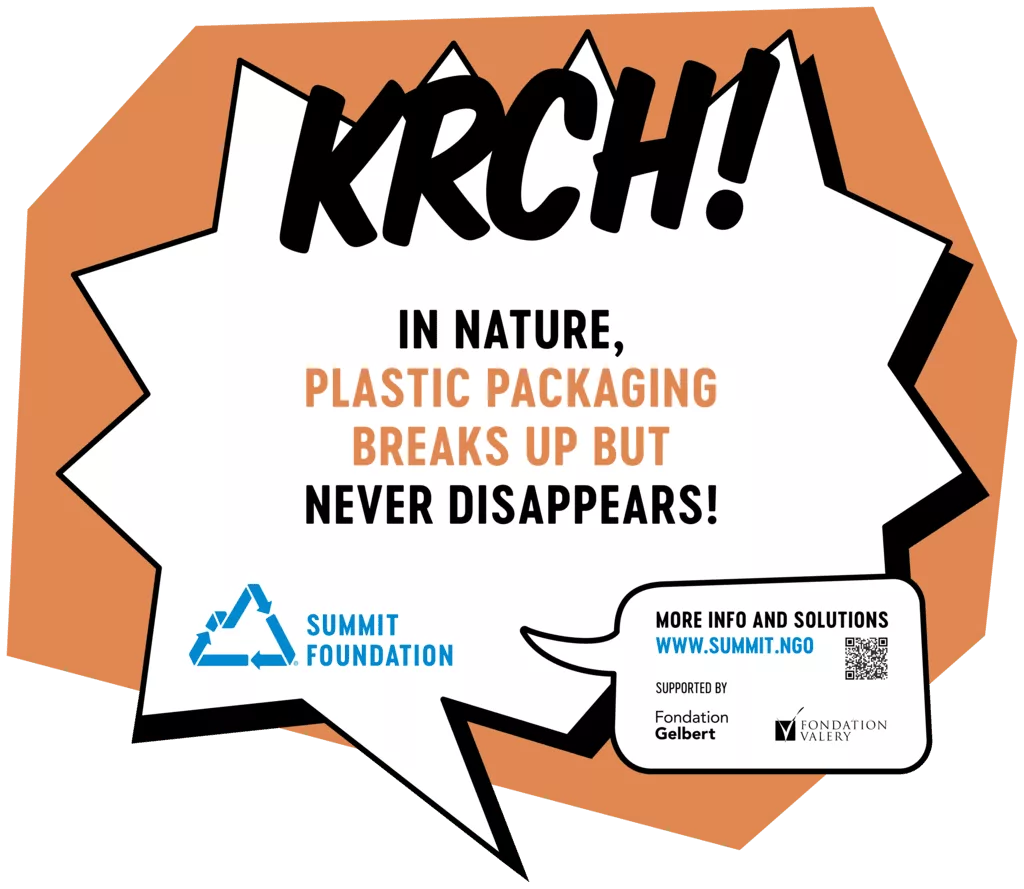
- Plastic is not biodegradable; it can remain in the environment for centuries, or even never disappear.
- Plastic breaks up into small pieces that spread into the environment and are ingested by wildlife.
Plastic production has skyrocketed over the past decades, rising from 2 million tonnes in 1950 to 450 million in 20201. According to UNEP (the United Nations Environment Programme), 19 to 23 million tonnes of plastic2 are released into the environment every year.
The problem is that plastic is not a biodegradable material3. It can remain in the environment for centuries before becoming harmless. It might even be the case that it never fully disappears4, meaning that all the plastic ever released into the environment is still there. Because of its extremely slow degradation, plastic accumulates in nature, increasing environmental pressure. With growing production, this pollution could triple by 20405!
Instead of disappearing, plastic fragments present in the environment break down6 under the effect of UV rays, mechanical stress, and the action of microorganisms. The rate of fragmentation depends on the chemical composition of the plastic and the environment in which it is found. In a cold environment, plastic decomposes more slowly than in a warm one. In smaller forms (microplastics7), they are more easily ingested by animals and can be transported over thousands of kilometers.
Plastic pollution has various sources8, including littering — the intentional or unintentional abandonment of waste in public spaces or nature. The most commonly found waste in nature is plastic: PET bottles, packaging, cigarette butts, etc. In Switzerland, it is estimated that littering practices are responsible for the release of 2,700 tonnes of plastic into the environment9.
To contribute to the fight against plastic pollution on your own scale, adopt the following good practices:
Together, let’s keep our mountains beautiful and free of plastic.