
CLEANER MOUNTAINS
ODYSÉE DES LACS
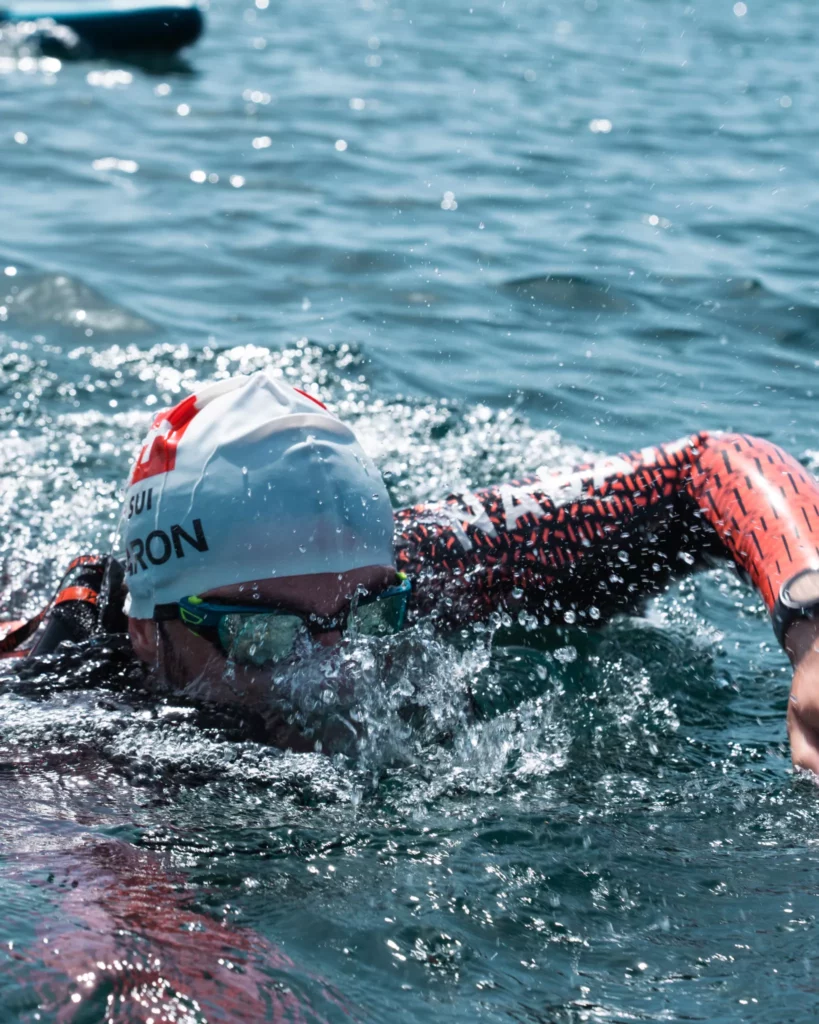
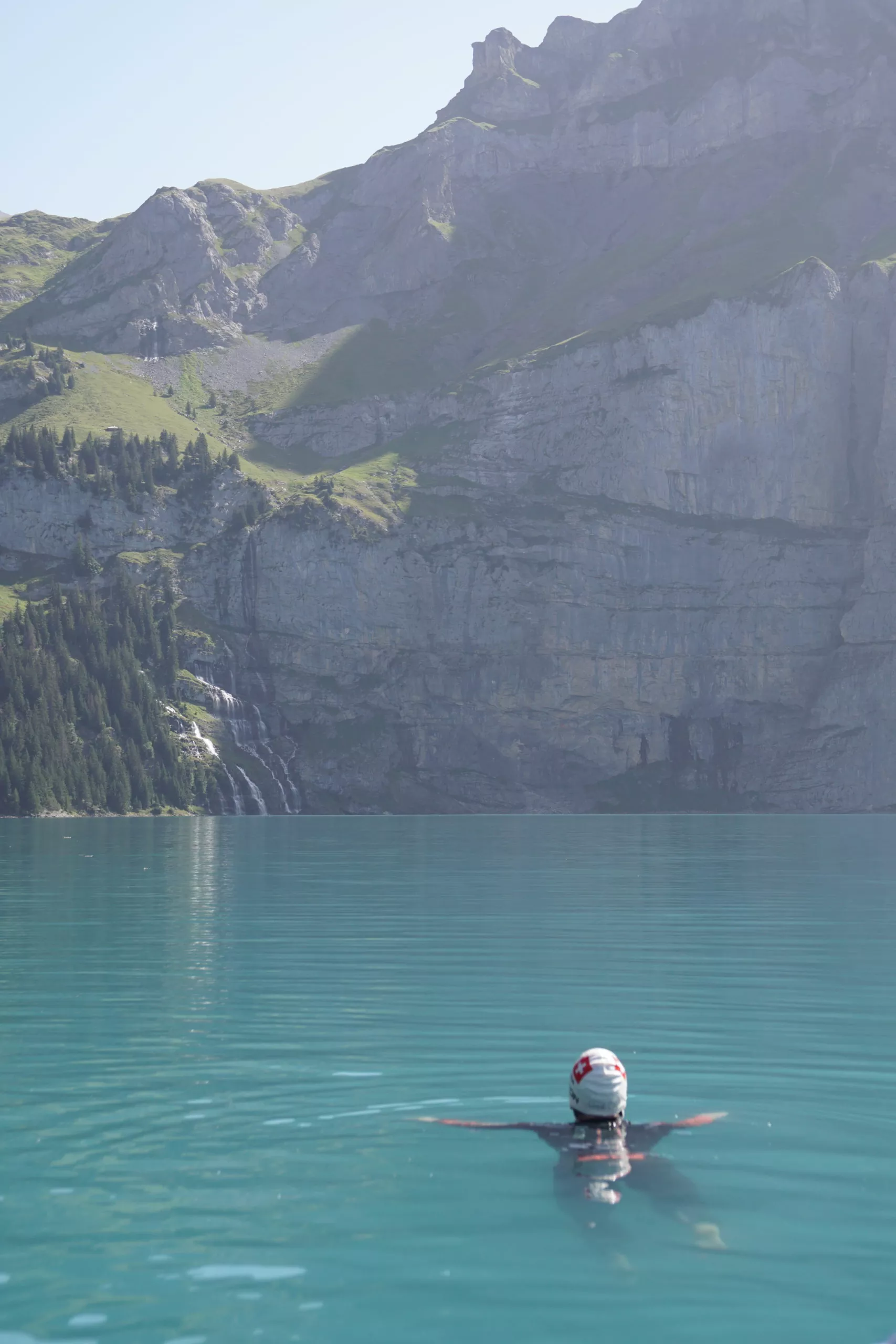
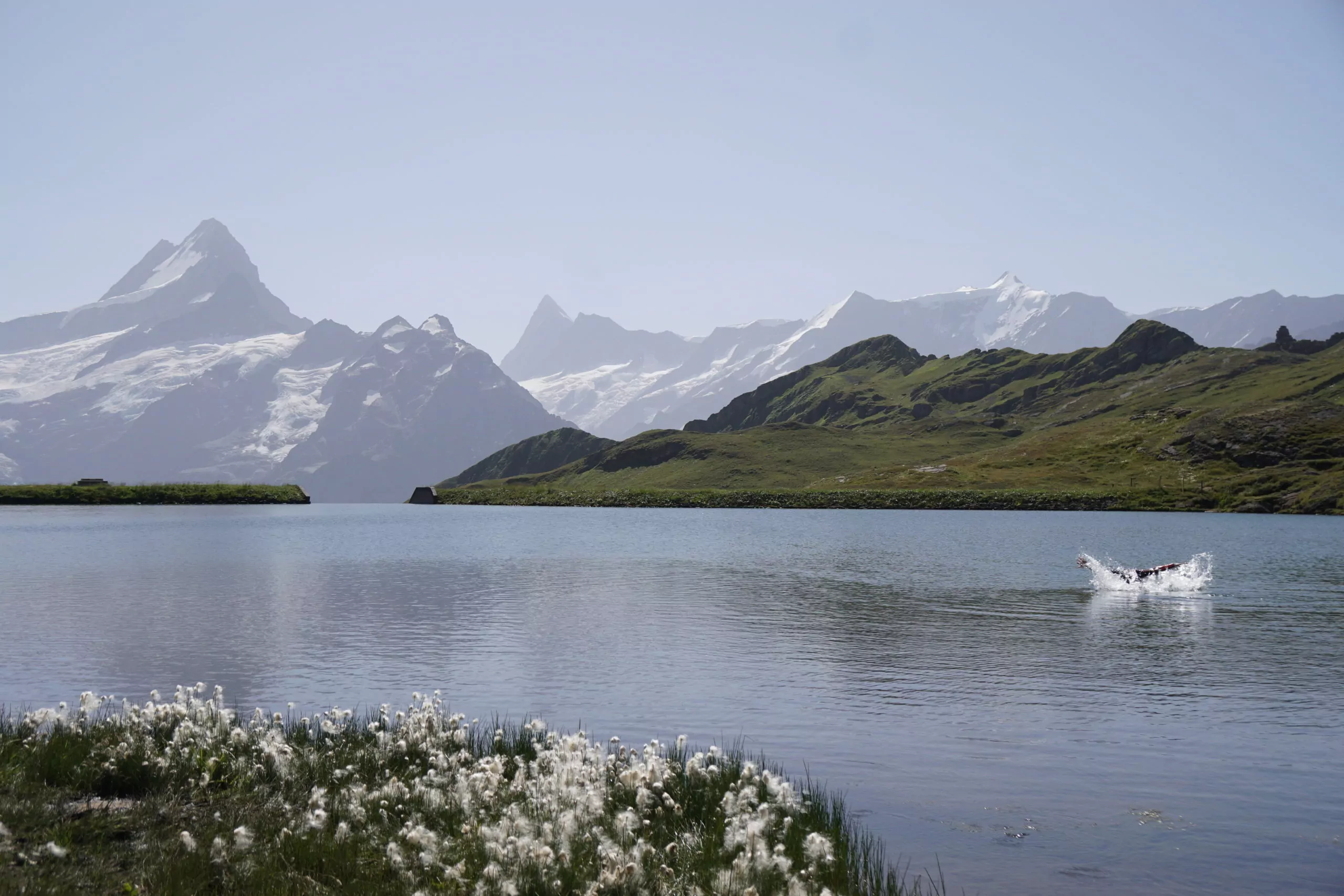
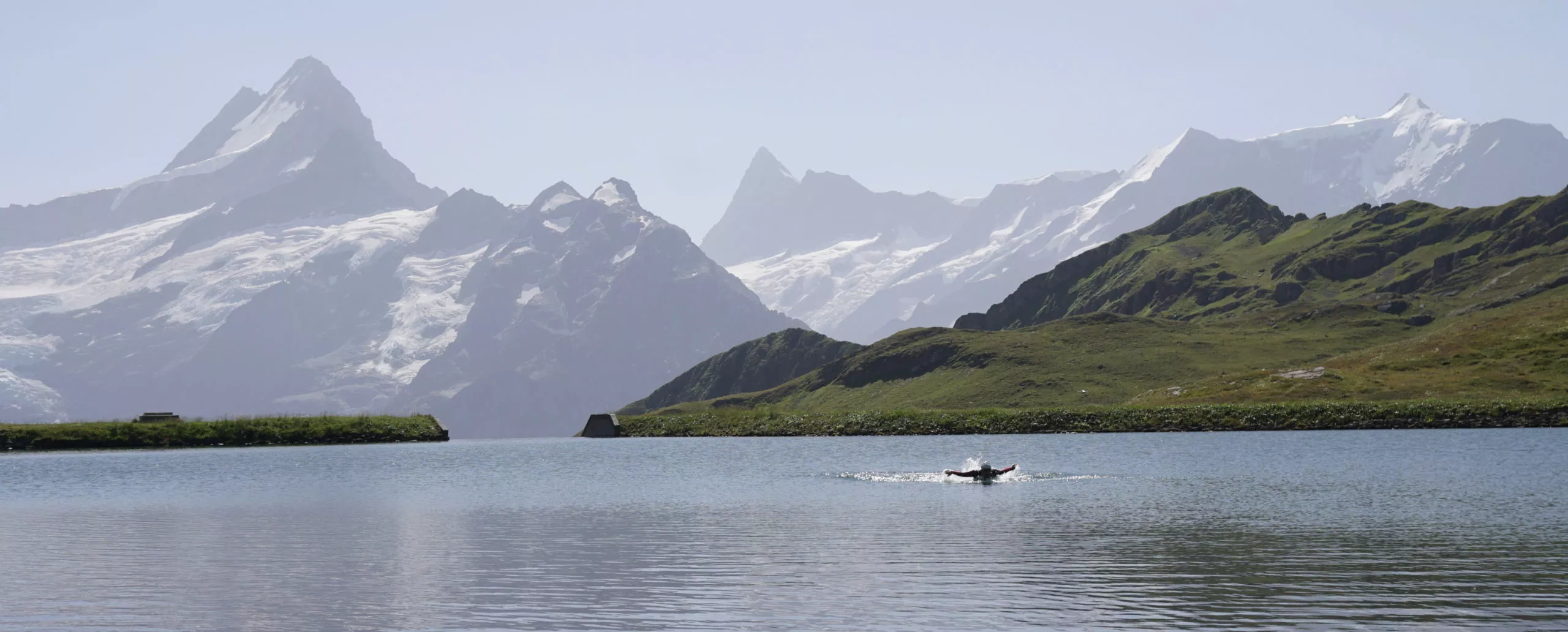
The “Odyssée des Lacs” (ODL) is an eco-sporting project led by Noam Yaron, a young man from Morges, who completed the challenge of a triathlon across Switzerland in summer 2023. His ambition was to cross the country from east to west, combining running, cycling and swimming, and crossing 10 high-altitude lakes along the way. Through the ODL, Noam raised public awareness of water conservation and lake biodiversity, using the media reach of his achievement. To support this initiative, Summit Foundation joined as the ODL's environmental partner, helping to set up a scientific and communication project around the challenge.
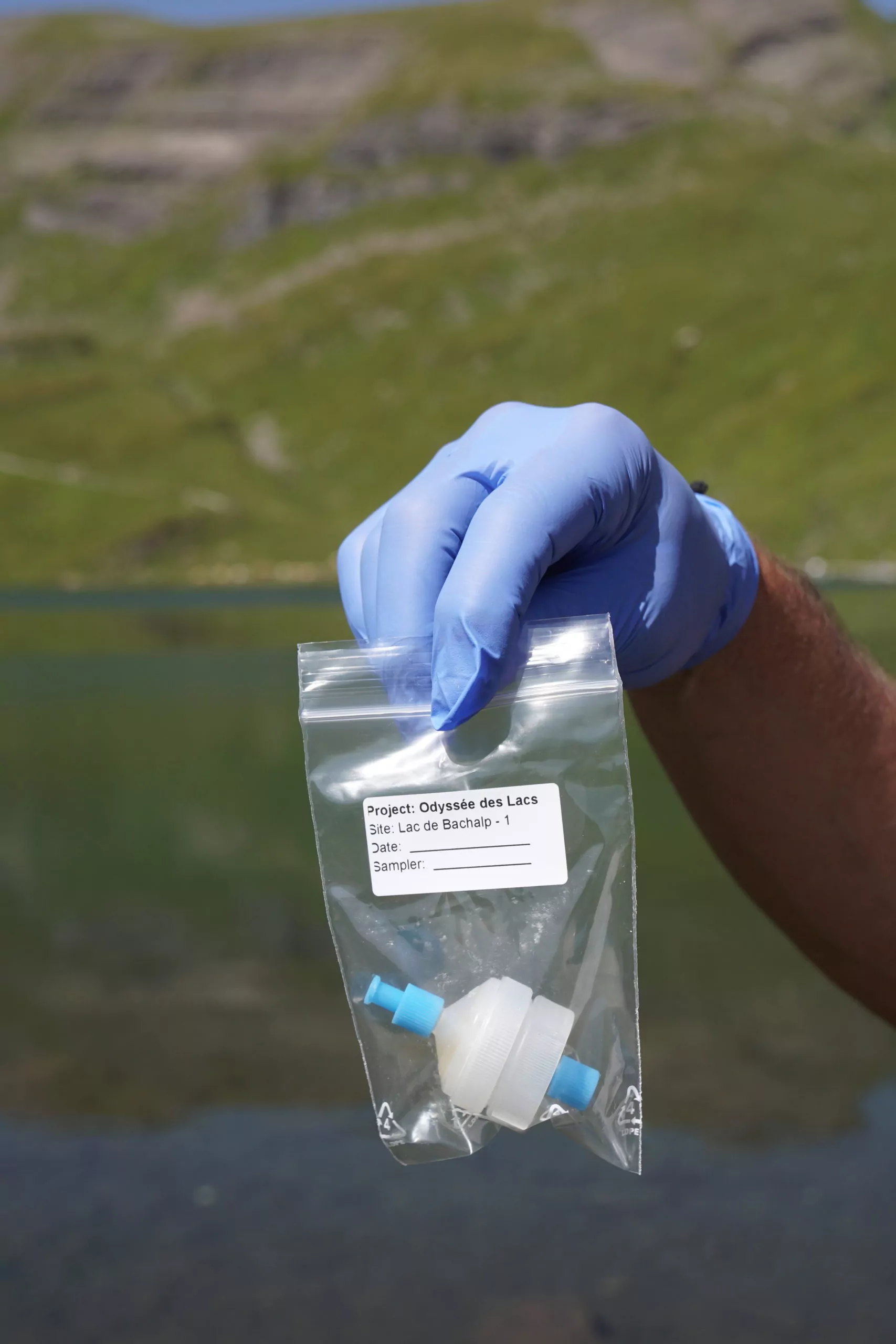
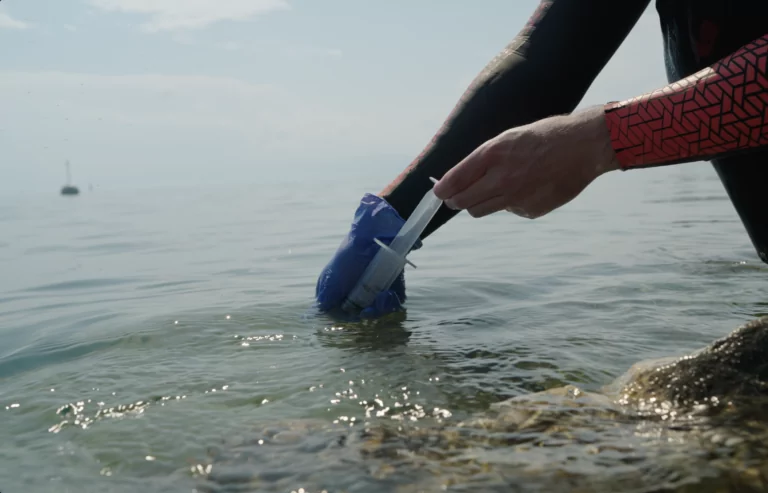
In Switzerland, the state of biodiversity is considered worrying, with half of natural habitats and one third of species under threat. It is therefore essential to closely monitor high-altitude lakes, which are fragile ecosystems, and this is why the scientific component of the ODL collected data on the biodiversity of the 10 lakes. To do so, Summit Foundation collaborated with the ODL on an environmental DNA (eDNA) sequencing project, a biotechnology that makes it possible to identify species in a given environment.
Summit Foundation also leveraged these eDNA analyses to assess the presence of the quagga mussel (Dreissena bugensis), an invasive alien species originating from the Black Sea with significant impacts on aquatic ecosystems. In recent years, this mussel has proliferated in Swiss lakes, replacing local species and leading to a substantial loss of biodiversity. However, its presence in high-altitude lakes remains uncertain, and the ODL scientific project enabled the conclusion that the quagga mussel has not yet colonized these 10 high-altitude lakes in Switzerland.
To learn more, the full report of this scientific component is freely accessible at this link:.
In parallel with the research project, the foundation also summarised a description of good practices to adopt around high-altitude lakes. This list, which aimed to raise public awareness and serve as a guide to reduce the impact of the ODL project on mountain lakes, is available below.
1) Cleaning of nautical equipment
Before paddling or swimming in a mountain lake, it is important to thoroughly clean any equipment (board, wetsuit) that has already been used in other bodies of water. This helps limit the spread of invasive species, viruses and fungi into the environment, as humans are major vectors of their dispersal. These organisms, barely visible to the naked eye, cling to equipment and take advantage of our movements between different bodies of water to colonise new habitats. To stop them spreading, it is essential to clean, dry and inspect your equipment.
The best known example is the quagga mussel, which has colonised a large number of lakes in Switzerland, whereas it was still completely absent from aquatic ecosystems just a few years ago. It is an invasive species that reproduces everywhere, all year round, and has a tremendous impact on the ecosystems where it becomes established. By drawing heavily on resources (oxygen, nutrients), it endangers native fauna and flora and takes over the available space. It is therefore essential to prevent its introduction into mountain lakes, where its impacts would be even more devastating.
2) Do not apply sunscreen before swimming
Although they are essential to prevent sunburn and skin damage, sunscreens have harmful impacts on the environment. Indeed, these products contain UV filters or preservatives that act as endocrine disruptors and can have significant effects on aquatic species. There is therefore a link between UV filters and damage to fauna and flora, making aquatic environments and their biodiversity more vulnerable. This is even more true for mountain lakes, which are aquatic ecosystems with slow renewal.
The controversial ingredients to avoid are:
– Benzophenone-3
– Octocrylene
– Homosalate
– Octinoxate
It is therefore best to choose creams that do not contain these ingredients and, where necessary, to opt for products bearing recognised environmental labels that exclude UV filters:
– Ecolabel
– Ecocert
– Cosmos Organic
In any case, you should not apply sunscreen before swimming.
3) Use of trails
A mountain lake is unique and fragile, but it is not limited to the visible body of water. It is part of a much more complex ecosystem that includes vegetation, soils, flora and fauna, where everything is connected and constantly interacting. In short, the health of mountain lakes depends on the health of the elements that surround them. It is important to be aware of this ecosystem reality in order to adopt good practices. Protecting the entire ecosystem around the lake means protecting the mountain lake.
With this in mind, good practice is to follow the designated access routes to the lake and stick to marked trails only. The aim is to avoid creating new trampled areas, in order to protect soil dynamics and plant species, which are often fragile in Alpine environments. This rule is very important because the shores of mountain lakes are also home to wetlands, often protected, which provide refuge for species such as amphibians and dragonflies. Even the slightest trampling can harm them.
Sticking to the trails and avoiding shortcuts helps protect mountain lakes and the ecosystems they depend on.
4) Mindful use of social media
Social media, even when used to raise environmental awareness, highlights places and makes people want to go there. Paradoxically, this contributes to the indirect degradation of an environment, because the more visited it becomes, the greater the risk of irresponsible behaviour and the more the environment will be degraded. This also applies to mountain lakes.
It is therefore important to share your photos in moderation, as social media is a powerful driver of visits to natural areas. With this in mind, not indicating your location would prevent visitors from concentrating around the same lakes, thereby ensuring the environment a minimum of tranquility.